


Coming home to find chewed shoes, damaged furniture, or torn cushions is something many dog owners can relate to.
While it can be frustrating, chewing is actually a completely natural behavior for dogs.
I have experienced this with my own dogs, too, and over time, I realized they were not chewing to be naughty but simply expressing their needs in different ways.
Understanding why dogs chew is the first step toward stopping destructive chewing habits in a healthy, positive way.
By learning the reasons behind this behavior, we can guide dogs toward better habits while creating a calmer, happier environment for both pets and owners.
Quick Answer: How to Stop Dogs from Chewing?
Dogs can stop destructive chewing when their physical and emotional needs are properly fulfilled.
Giving them enough exercise, attention, mental stimulation, and safe chew toys can greatly reduce unwanted chewing habits.
It is also important to understand the reason for the behavior rather than simply punishing the dog.
Redirecting chewing toward appropriate items and maintaining consistent training helps dogs develop healthier habits over time.
With patience, routine, and the right guidance, most dogs can gradually learn what they should and should not chew.
Dogs and Chewing as Their Natural Instinct
Chewing is a completely natural instinct in dogs and has existed for generations. Before dogs became domesticated, their ancestors relied on chewing to hunt, tear food, protect resources, and strengthen their jaws.
Even today, many dogs still carry these natural instincts, especially breeds originally developed for hunting, retrieving, or working tasks.
Chewing also helps dogs stay mentally stimulated, relaxed, and physically active.
However, when dogs lack proper outlets for this instinct, it can lead to destructive chewing on shoes, furniture, doors, and other household objects.
This behavior is often a sign that the dog needs more engagement, exercise, or suitable chew items.
Instead of completely stopping chewing, owners should understand the instinct behind it and guide their dogs toward safe, healthy chewing habits.
Why Do Dogs Chew on Things Around the House?
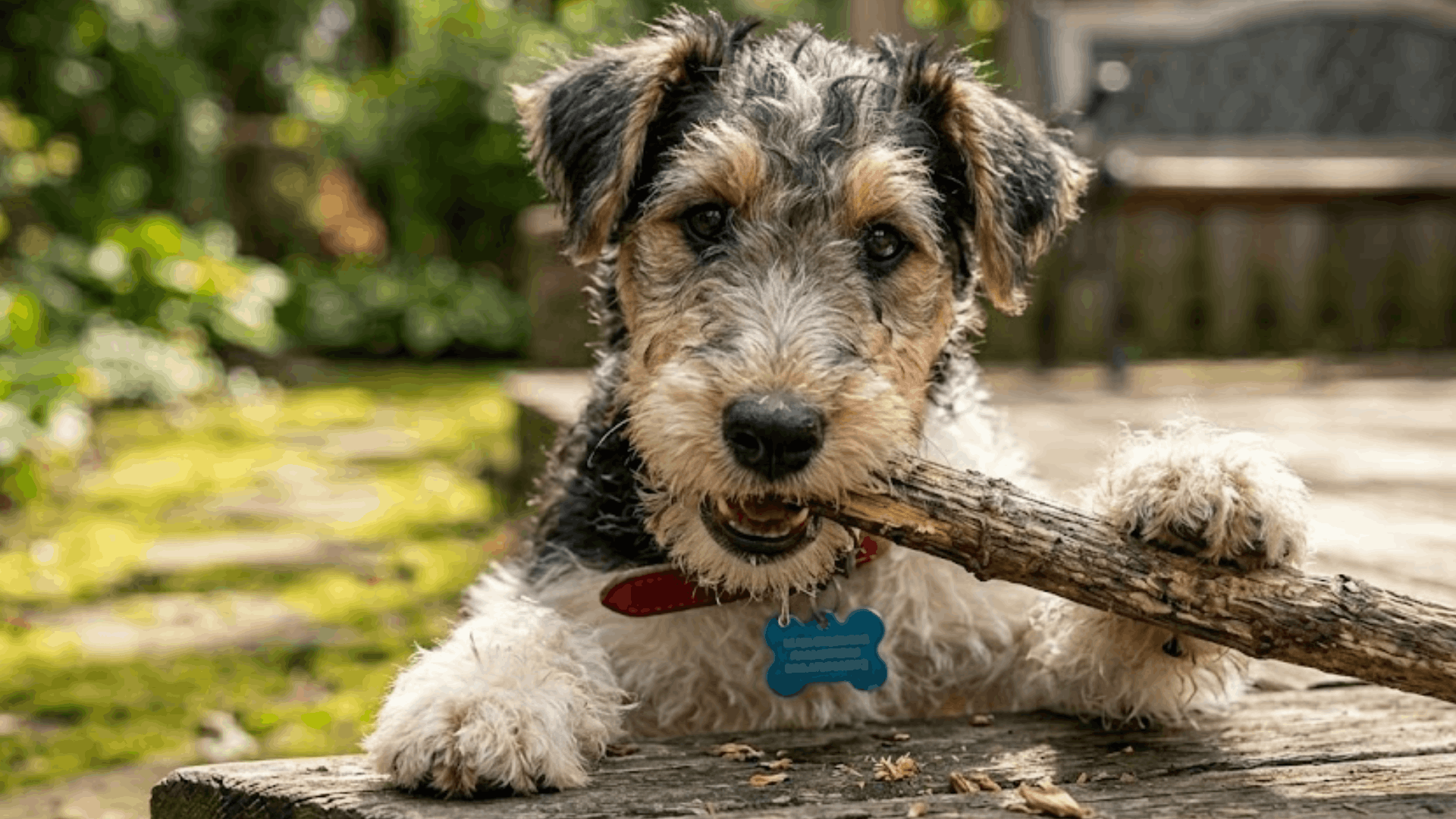

Dogs chew for different reasons depending on their age and environment. Puppies chew while learning and growing, while adult dogs often chew because of boredom, stress, or extra energy.
1. Teething
Teething is one of the most common reasons puppies chew. As adult teeth begin to grow, puppies often experience sore and irritated gums.
Chewing helps reduce this discomfort and provides relief during the teething process.
Puppies may chew on toys, furniture, shoes, or other household objects if suitable chew items are not available.
Providing safe chew toys designed for teething can help satisfy this natural need while protecting household belongings from damage.
2. Exploring the World
Puppies learn about their surroundings through their mouths just as much as they do through sight and smell.
Chewing helps them understand different textures, shapes, and objects in their environment.
Everything feels new and interesting during the early stages of development, making chewing a natural learning behavior.
While this curiosity is normal, it can sometimes lead to unwanted chewing on household items. Supervision and proper chew toys help puppies learn what is safe to chew.
3. Play and Curiosity
Young dogs are naturally playful and curious, and chewing often becomes part of their daily activities. Puppies may chew simply because they are excited or interested in an object they have never seen before.
This behavior helps keep them entertained while satisfying their desire to investigate their environment.
Providing interactive toys, play sessions, and mental stimulation can help direct their curiosity toward appropriate activities and reduce the chances of destructive chewing.
4. Boredom
Many adult dogs chew because they lack sufficient mental or physical stimulation throughout the day.
When dogs become bored, they often look for ways to entertain themselves, and chewing can quickly become their preferred activity.
Furniture, shoes, and household objects may become targets when suitable alternatives are unavailable.
Regular exercise, puzzle toys, training sessions, and interactive games can help keep dogs engaged and significantly reduce boredom-related chewing.
5. Releasing Extra Energy
Dogs that do not receive enough daily exercise often have excess energy that needs an outlet. Chewing can become a way to release that pent-up energy, especially in active and working breeds.
Without regular walks, playtime, or physical activities, dogs may turn to destructive behaviors inside the home.
Providing regular exercise and opportunities for active play helps dogs stay balanced and relaxed, reducing the likelihood of chewing on inappropriate items.
6. Stress and Anxiety
Some dogs chew when they feel anxious, lonely, frightened, or stressed. Chewing can provide a calming effect that helps them cope with uncomfortable emotions.
This behavior is especially common in dogs with separation anxiety or in those experiencing sudden changes in their routine.
They may target furniture, doors, or personal belongings while left alone.
Creating a predictable routine, offering comfort items, and gradually building confidence can help reduce anxiety-related chewing over time.
7. Barrier Frustration
Barrier frustration occurs when dogs feel restricted or unable to reach something they want. This can happen when they are behind gates, inside crates, or separated from people, pets, or activities.
As frustration builds, dogs may chew on nearby doors, fences, walls, or furniture.
This behavior is often driven by emotional stress rather than simple boredom. Addressing the source of frustration and providing alternative activities can help reduce this type of chewing.
8. Hunger
Some dogs chew because they feel hungry or unsatisfied after meals. Dogs that lack a consistent feeding schedule or sufficient enrichment during mealtime may seek other ways to stay occupied.
Chewing can become a substitute activity when they are searching for food or stimulation.
Using puzzle feeders, food-dispensing toys, and balanced feeding routines can help keep dogs mentally engaged and reduce chewing behaviors associated with hunger or food-related frustration.
When Excessive Chewing May Indicate Something More Serious?
Occasional chewing is normal in dogs, but excessive or aggressive chewing can sometimes indicate a deeper issue.
If a dog repeatedly destroys furniture, walls, doors, or other household objects despite adequate exercise and training, the behavior may be linked to anxiety, stress, frustration, or emotional discomfort.
Dogs often use chewing as a coping mechanism when they feel overwhelmed or under-stimulated.
In some cases, chewing may become dangerous if the dog swallows harmful objects or reacts aggressively when someone tries to take items away.
Instead of viewing this behavior as mere disobedience, owners should focus on the underlying cause.
Seeking help early from a professional trainer or behaviorist can prevent the problem from becoming more serious.
Signs Your Dog Is About to Chew Something
Dogs often show warning signs before they start chewing. One must look for these common behaviors:
- Pacing: Dogs often pace when they feel bored or restless or when they have extra energy and may start chewing to keep themselves occupied.
- Excessive Sniffing: Repeatedly sniffing furniture, shoes, or household items often shows growing interest before chewing begins.
- Mouthing Objects: Picking up, licking, or gently nibbling objects can be an early sign that a dog is preparing to chew.
- Restlessness: Dogs that cannot settle down may look for ways to entertain themselves, and chewing often becomes their chosen activity.
- Attention-Seeking: Some dogs chew when they want interaction, especially if they feel ignored, lonely, or under-stimulated.
- Carrying Items Around: Moving socks, shoes, or other objects from place to place can quickly lead to chewing behavior.
- Returning to Old Targets: Dogs often revisit items they have chewed before, making those objects more likely to be damaged again.
- Wandering Around: Aimlessly roaming the house can indicate boredom, which often leads dogs to chew for entertainment.
How to Stop Your Dog from Chewing?

Stopping destructive chewing takes patience and consistency. Using the right methods can help dogs develop healthier chewing habits over time.
1. Puppy-Proof Your Home
One of the easiest ways to stop destructive chewing is by preventing dogs from reaching things they should not chew.
Shoes, wires, cushions, remotes, bags, and other tempting objects should always be kept out of reach, especially during training stages.
Dogs often chew on whatever is easily available to them, so creating a safe, controlled environment helps prevent bad habits from forming.
It also protects dogs from swallowing dangerous items or hurting themselves while chewing.
2. Teach Dogs What They Can Chew
Dogs need clear guidance on which items are safe and acceptable to chew.
Providing chew toys, dental chews, rubber bones, or interactive toys helps redirect their natural chewing instincts toward appropriate objects instead of furniture or household belongings.
Rotating toys regularly also keeps them exciting and prevents boredom.
Teaching proper chewing habits from an early age helps dogs develop healthier behavior patterns and greatly reduces the likelihood that destructive chewing will become a long-term problem.
3. Supervise Your Dog Indoors
Supervising dogs indoors is important because it allows owners to stop destructive chewing before it becomes a repeated habit.
If a dog begins chewing furniture, cushions, or shoes, calmly redirect them toward a safe chew toy instead of shouting or punishing them.
Keeping dogs nearby, limiting access to certain rooms, or using baby gates can help during training stages.
Early supervision also helps owners understand which situations or objects most often trigger their dogs’ chewing.
4. Give Enough Physical Exercise
Many dogs chew because they have excess energy that is not being released properly throughout the day.
Regular walks, outdoor play sessions, running, fetch games, and physical activities help dogs stay active, balanced, and mentally relaxed.
High-energy breeds especially require daily exercise to prevent boredom and frustration.
A physically tired dog is usually calmer and less likely to chew on furniture, shoes, or other household items to entertain itself or release pent-up energy indoors.
5. Provide Mental Stimulation
Mental stimulation is extremely important because bored dogs often seek entertainment on their own, which can lead to destructive chewing.
Activities like puzzle toys, obedience training, scent games, treat-dispensing toys, and interactive challenges keep a dog’s mind engaged and focused.
Mental exercise can tire dogs just as much as physical activity while also improving confidence and problem-solving skills.
When dogs stay mentally occupied and stimulated, they are far less likely to chew on random household objects out of boredom each day.
6. Manage Separation Anxiety
Some dogs chew because they feel stressed, lonely, or anxious when left alone for long periods.
Chewing becomes a coping mechanism that helps them release emotional tension and feel comforted.
Creating a calm environment, leaving comfort toys, practicing gradual departures, and maintaining predictable routines can help reduce anxiety-related chewing.
Building confidence slowly and helping dogs feel secure when alone are important for reducing destructive behavior and improving their emotional well-being in the home.
7. Use Safe Confinement Areas
When dogs cannot be properly supervised, using a safe confinement area can help prevent destructive chewing.
A crate, exercise pen, or gated room with chew toys, water, and comfortable bedding creates a secure environment where dogs can relax safely.
These areas should always feel positive and comfortable rather than being used as punishment.
Safe confinement not only protects household objects but also teaches dogs independence, boundaries, and better self-control when they stay indoors alone for longer periods.
8. Use Positive Reinforcement
Positive reinforcement is one of the most effective methods for teaching dogs healthy chewing habits over time.
Whenever dogs choose their chew toys rather than furniture or other household items, reward them with praise, affection, treats, or playtime.
This helps dogs associate good chewing behavior with positive experiences and encourages them to repeat it regularly.
Dogs respond much better to rewards and encouragement than to punishment, making positive reinforcement extremely important for long-term behavioral improvement and building trust with owners.
9. Stay Consistent with Training
Stopping destructive chewing takes patience, consistency, and regular training from everyone in the household. Dogs learn best when the same rules and responses are followed every day without confusion.
Redirecting chewing behavior consistently toward safe toys helps dogs learn over time what they are allowed to chew.
Training may not show immediate results, but steady guidance and repetition gradually improve behavior.
Consistency builds discipline, strengthens trust, and creates a calmer and more balanced environment for both dogs and owners.
Best Chew Toys and Chew Treats for Puppies
Safe chew toys and treats can help alleviate gum discomfort and prevent bad chewing habits, helping puppies through the teething process. They also keep puppies mentally stimulated and engaged throughout the day.
- Kong toys: Highly recommended by trainers and vets because they are durable, mentally stimulating, and perfect for stuffing with treats.
- Rubber chew toys: Popular for teething puppies because they safely soothe sore gums without harming developing teeth.
- Puppy dental chews: Reliable for supporting healthy teeth and gums while satisfying a puppy’s natural urge to chew regularly.
- Rope toys: Commonly used for gentle chewing and interactive play while helping redirect chewing away from household objects.
- Frozen chew toys or treats: Trusted during teething because cold textures help reduce gum pain and discomfort.
- Puzzle feeders and toys: Great for mental stimulation, as they keep puppies entertained and reduce boredom-related chewing indoors.
Mouthing vs Chewing in Dogs
Mouthing and chewing may seem similar, but they are different behaviors with different causes and meanings.
| Mouthing | Chewing |
| Gentle and playful behavior | Strong biting and gnawing behavior |
| Usually directed at hands or people | Usually directed at toys or objects |
| Common during puppy play | Common during boredom or stress |
| Rarely damages objects | Can become destructive |
| Often decreases with age | May continue without training |
How Long Does It Take to Stop Destructive Chewing?
There is no exact timeline for stopping destructive chewing because every dog learns at a different pace.
Some dogs show improvement within a few weeks, while others may take several months of consistent training and supervision.
Factors such as age, breed, energy level, and the reason behind the chewing all affect how quickly progress happens.
Puppies often improve as they finish teething and learn proper chewing habits, while adult dogs may need more time if boredom, anxiety, or lack of exercise is contributing to the behavior.
The key is to stay patient, provide appropriate chew toys, reward good behavior, and remain consistent with training.
With regular guidance and positive reinforcement, most dogs gradually learn what they can and cannot chew.
What Not to Do when Trying to Stop Dogs from Chewing?
The things we don’t do are as important as the things we do. Mistakes can ramp up stress, confusion, or destructive behavior, making it harder to fix chewing habits over time.
- Do Not Punish Harshly: Harsh punishment can create fear and anxiety and may worsen destructive chewing habits over time.
- Do Not Leave Tempting Objects Around: Leaving shoes, wires, or cushions accessible encourages dogs to continue inappropriate chewing behavior.
- Do Not Use Unsafe Chew Toys: Unsafe toys can break easily and may cause choking, dental injuries, or swallowing problems.
- Do Not Ignore Boredom: Bored dogs often chew furniture or household objects to entertain themselves and release energy.
- Do Not Encourage Rough Chewing Games: Rough chewing games can confuse dogs and make it harder to teach proper chewing boundaries.
- Do Not Expect Immediate Results: Stopping destructive chewing takes patience, consistency, and regular training for long-term improvement.
Conclusion
Stopping dogs from chewing is not about removing the instinct but teaching them what is safe to chew.
With proper training, exercise, and safe chew toys, dogs can learn better habits. Understanding why they chew helps reduce unwanted behavior over time.
Every dog learns differently, so consistency and positive reinforcement are important throughout the process.
By creating a safe and supportive environment, owners can help their dogs stay happier, calmer, and better behaved while protecting their home and belongings from unnecessary damage.
Use these practical tips today and start building better chewing habits for a happier, well-behaved dog.
Frequently Asked Questions
What Repels Dogs from Chewing?
Bitter Sprays, Proper Chew Toys, Regular Exercise, and Mental Stimulation Help Discourage Dogs from Chewing Unwanted Objects.
What Taste Do Dogs Hate to Stop Chewing?
Bitter, Strong Citrus Flavors Are Commonly Disliked by Dogs and Can Help Discourage Unwanted Chewing
Do Dogs Chew when Stressed?
Stress Is One of Several Reasons Dogs May Engage in Destructive Chewing. For some dogs, chewing is a way to release nervous tension.
At What Age Do Dogs Stop Destructive Chewing?
Puppies usually stop intense exploratory teething once their adult teeth come in at about 6–7 months, but many dogs enjoy chewing throughout their lives.