


Hookworm symptoms in dogs aren’t always easy to spot, and that’s exactly what makes these tiny parasites so sneaky. Your dog might seem a little tired, have an upset stomach, or simply not act like their usual self.
In puppies, though, hookworms can cause serious problems much faster, so knowing the warning signs really matters.
In this guide, I’ll walk you through the most common symptoms, how dogs get hookworms, how veterinarians diagnose and treat the infection, what can happen if it’s left untreated, and the best ways to help prevent it.
I’ll also answer some common questions so you can feel more confident about keeping your dog healthy and happy.
Quick Answer: What Are Hookworms in Dogs?
Hookworms in dogs are small intestinal parasites that attach to the lining of the small intestine and feed on blood. They can cause anemia, weight loss, diarrhea, and weakness, especially in puppies.
Hookworms are among the most common intestinal parasites in dogs.
Dogs can become infected by swallowing hookworm larvae from contaminated soil, through skin penetration, by eating infected prey, or, in puppies, through their mother’s milk.
Once inside the body, the larvae mature into adult worms in the intestines and continue feeding on blood.
Mild infections may cause few signs, while severe infections can become life-threatening if left untreated. A veterinarian can diagnose hookworms with a fecal examination and prescribe deworming medication.
Regular parasite prevention, prompt treatment, and good hygiene help reduce the risk of infection and reinfection.
Why Do Dogs Get Hookworms?
Hookworms are tiny intestinal parasites that infect dogs after they come into contact with hookworm larvae in the environment.
These larvae are commonly found in warm, moist soil contaminated by infected dog feces.
Once inside the body, they travel to the intestines, where they attach to the intestinal lining and feed on blood.
Dogs don’t have to eat visible worms to become infected. Everyday activities like walking through contaminated areas, sniffing the ground, licking dirty paws, or grooming after being outdoors can expose them to hookworms.
Puppies are at an even greater risk because they can become infected through their mother’s milk.
Knowing how these parasites spread makes it much easier to protect your dog.
What Are the Hookworm Symptoms in Dogs?

Hookworms can affect dogs differently depending on their age, overall health, and the number of parasites present. Adult dogs may develop mild symptoms that gradually become worse, while puppies often become sick much faster.
1. Loose Stools or Mild Diarrhea
Loose stools or mild diarrhea are often among the earliest signs of a hookworm infection in dogs.
At first, the diarrhea may be occasional and relatively mild, but as the parasites continue to attach to the lining of the intestines and feed on blood, the digestive tract becomes increasingly irritated.
Some dogs may also experience frequent bowel movements or stomach discomfort.
Although diarrhea can occur for many reasons, it should never be ignored if it lasts longer than 24 to 48 hours or is accompanied by other symptoms such as lethargy, vomiting, or loss of appetite.
2. Reduced Appetite
Dogs infected with hookworms often experience a noticeable decrease in appetite because the parasites can cause irritation and inflammation within the digestive tract.
Eating may become uncomfortable, causing your dog to consume smaller meals or refuse food altogether.
While some dogs skip only an occasional meal, others may gradually lose interest in eating over several days.
If your dog refuses food for more than a day or consistently eats much less than usual, it is important to consult your veterinarian for a thorough examination.
3. Weight Loss
Weight loss is a common sign of hookworm infections, particularly when the parasites remain untreated for an extended period.
Hookworms feed on blood and interfere with the body’s ability to absorb essential nutrients from food.
As a result, even dogs that continue eating normally may slowly lose weight because their nutritional needs are no longer being met.
If you notice your dog’s ribs becoming more visible, a shrinking waistline, or an overall decline in body condition despite a normal diet, consider hookworms or another underlying medical condition.
4. Low Energy
A dog with hookworms may appear unusually tired, sluggish, or uninterested in activities they normally enjoy.
This loss of energy often develops because the parasites cause ongoing blood loss, leading to anemia and reducing the amount of oxygen delivered throughout the body.
As oxygen levels decrease, muscles and organs cannot function as efficiently, causing your dog to tire more quickly during walks, playtime, or routine daily activities.
Persistent lethargy should always be evaluated by a veterinarian, especially when accompanied by other signs of illness.
5. A Dull or Rough-Looking Coat
A healthy dog’s coat is typically smooth, soft, and shiny. However, hookworm infections can gradually affect coat quality by reducing nutrient absorption and causing chronic blood loss.
Without adequate nutrients, the skin and hair follicles cannot maintain normal growth and health, leading to a coat that appears dry, rough, brittle, or unusually dull.
While coat changes alone do not confirm hookworms, they can be an important clue when combined with digestive symptoms, weight loss, or low energy.
6. Pale or White Gums
Pale gums are one of the most recognizable signs of anemia caused by hookworms.
Healthy dogs typically have bright pink gums that indicate good blood circulation and healthy red blood cell levels.
As hookworms continue feeding on blood, significant blood loss can occur, causing the gums to become light pink, pale, or even white in severe cases.
Pale gums should always be treated as a serious warning sign requiring prompt veterinary attention.
7. Black Tarry Stools or Visible Blood
Hookworms damage the lining of the intestines as they feed, which can result in intestinal bleeding.
This blood may appear as black, sticky, tar-like stools because it has been digested as it passes through the digestive tract.
In some cases, fresh red blood may also be visible in or around the stool.
Immediate veterinary evaluation is recommended to determine the cause and begin appropriate treatment before blood loss becomes severe.
8. Extreme Weakness or Severe Tiredness
As hookworm infections worsen, blood loss may become significant enough to cause profound weakness.
Dogs with severe anemia may struggle to complete everyday activities, become exhausted after minimal exercise, or spend nearly all of their time resting.
Puppies are particularly at risk because they have smaller blood volumes and can deteriorate much faster than adult dogs.
Extreme weakness should never be dismissed as simple fatigue and requires immediate veterinary assessment.
9. Rapid Breathing or a Fast Heartbeat
When anemia develops due to ongoing blood loss from hookworms, the body attempts to compensate by increasing both the breathing and heart rates to deliver more oxygen to vital organs.
You may notice your dog breathing faster than usual while resting, panting without exercise, or having a noticeably rapid heartbeat.
If your dog develops rapid breathing, especially alongside pale gums or weakness, prompt veterinary care is essential because severe anemia can quickly become life-threatening if left untreated.
10. Collapse or Difficulty Standing
Collapse, inability to stand, or sudden extreme weakness represents one of the most serious complications of a severe hookworm infection.
Extensive blood loss can cause dangerously low blood pressure and severe anemia, leaving the body unable to supply enough oxygen to the brain and other vital organs.
Puppies are especially vulnerable and can decline quickly.
This is a true veterinary emergency that requires immediate medical attention, as rapid treatment can be lifesaving.
Is Hookworm Contagious in Dogs?
Yes, but hookworms usually spread through contaminated environments rather than direct dog-to-dog contact.
An infected dog passes hookworm eggs in its stool. Over the next few days, those eggs hatch into larvae that remain in the soil until another dog comes into contact with them.
People can also be exposed to hookworm larvae by walking barefoot or touching contaminated soil.
Although hookworms from dogs rarely develop into adult worms in humans, they can still cause an itchy skin condition known as cutaneous larva migrans.
Promptly cleaning up dog waste and keeping dogs on regular parasite prevention greatly reduce the risk for both pets and people.
How Are Hookworms Diagnosed?
To confirm hookworms and understand your dog’s overall condition, your veterinarian may use these tests:
- Fecal examination: A stool sample is examined under a microscope for hookworm eggs to confirm the infection.
- Physical examination: Your veterinarian checks for signs such as pale gums, dehydration, weight loss, and poor body condition.
- Blood tests: These help detect anemia and measure the amount of blood loss caused by the parasites.
- Repeat stool testing: A second fecal test may be needed because hookworm eggs are not always present during the earliest stage of infection.
- Fecal flotation test: A specialized technique that concentrates parasite eggs, making them easier to identify, especially when only a small number are present.
- Medical history and risk assessment: The veterinarian reviews your dog’s age, recent deworming history, living environment, and possible exposure to contaminated soil or infected animals to support the diagnosis.
How Are Hookworms in Dogs Treated?
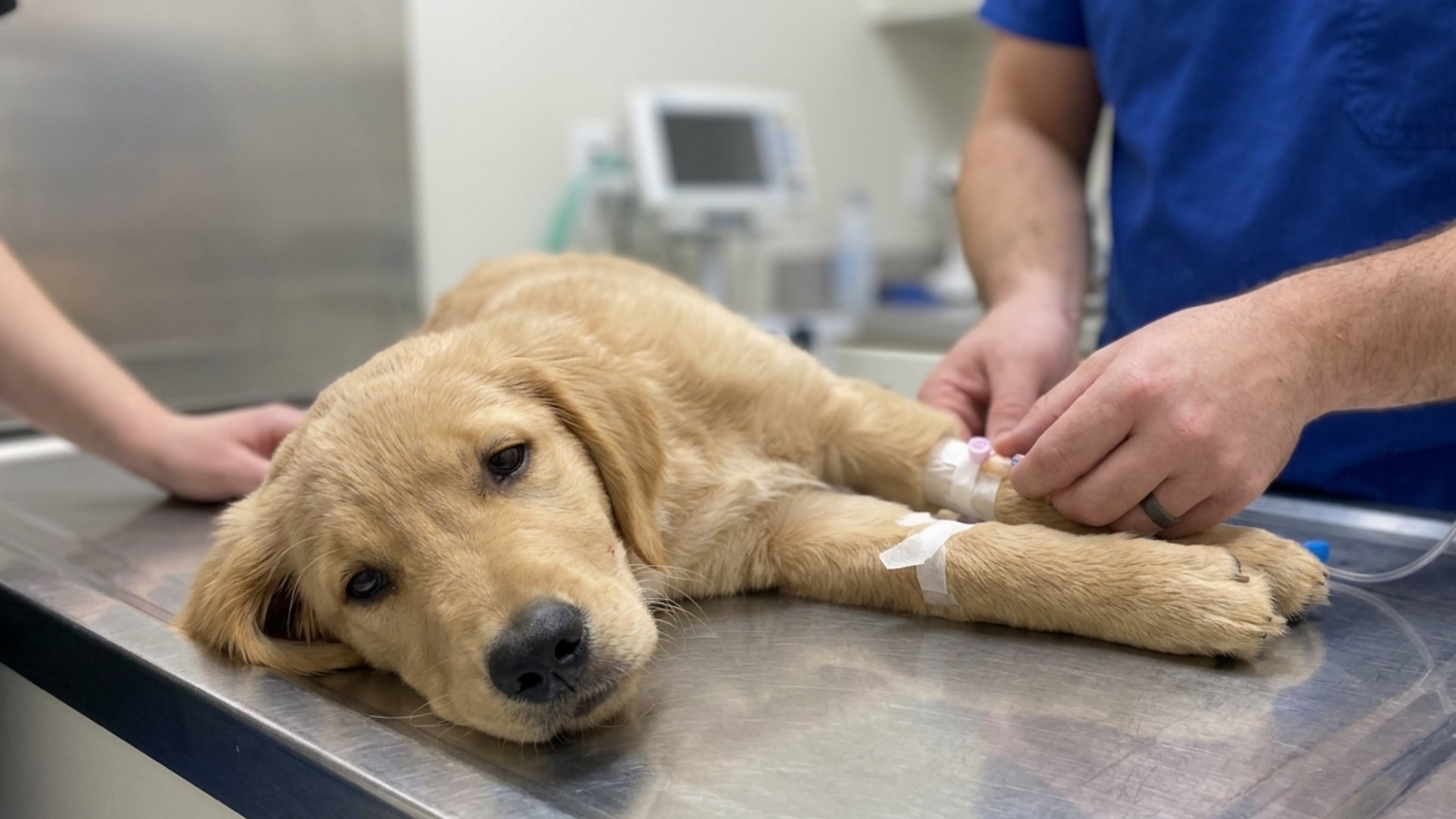
Most dogs recover well from hookworms when treatment begins early. Your veterinarian will create a treatment plan based on your dog’s age, overall health, and the severity of the infection.
1. Prescription Deworming Medication
Prescription deworming medication is the first and most important treatment for hookworm infections. It removes adult worms from the intestines and helps stop further blood loss.
Prescription deworming medication is the primary treatment for hookworms and is designed to kill the adult worms living in your dog’s intestines.
Removing the parasites helps stop ongoing blood loss and allows the intestinal lining to begin healing. Your veterinarian will choose the most appropriate medication based on your dog’s age, weight, and overall health.
Always complete the full course of treatment, even if your dog starts feeling better after a few days.
2. Repeat Deworming Doses
More than one deworming treatment is often needed because the first dose may not eliminate developing larvae. Follow-up doses help clear the infection completely.
A second or even third dose of deworming medication is often scheduled two to four weeks after the first treatment.
This is because some hookworm larvae may still be developing and are not affected by the initial dose.
Repeat treatments help eliminate newly matured worms before they begin laying eggs, reducing the chance of the infection returning.
3. Fluids or Blood Transfusion
Severe hookworm infections can cause dehydration and significant blood loss. Supportive treatments help stabilize the dog while the parasites are being eliminated.
Dogs with severe dehydration or significant blood loss may need supportive care in addition to deworming medication.
Intravenous fluids help replace lost fluids and improve hydration, while a blood transfusion may be necessary if anemia becomes severe.
These treatments stabilize your dog and support recovery while the medication works to remove the parasites.
4. Iron Supplements or Nutritional Support
Dogs recovering from anemia often need nutritional support to rebuild healthy red blood cells. Diet recommendations depend on the severity of the illness and overall health.
Dogs recovering from anemia may benefit from iron supplements or a nutrient-rich diet if recommended by their veterinarian.
Proper nutrition supports the production of healthy red blood cells and helps restore lost strength.
Your veterinarian may also recommend a highly digestible diet to make eating easier while your dog’s digestive system continues to recover.
5. Rest and Activity Restriction
Rest gives the body time to recover from blood loss and regain energy. Limiting strenuous activity reduces stress while healing takes place.
Your dog may need extra rest while recovering, especially if weakness or anemia has reduced normal energy levels.
Limiting running, jumping, and other strenuous activities gives the body time to heal and rebuild healthy blood cells.
As your dog regains strength and your veterinarian confirms improvement, normal exercise can usually be resumed gradually.
6. Follow-Up Fecal Exam
A follow-up stool test confirms whether treatment has successfully removed the parasites. It also helps identify dogs that need additional medication.
A follow-up fecal examination is usually recommended a few weeks after treatment to confirm that the hookworms have been completely eliminated.
This test also helps detect any remaining parasites that may require additional medication.
Keeping follow-up appointments is an important part of treatment because some dogs, particularly puppies, may need repeat therapy before the infection is fully cleared.
7. Monthly Parasite Prevention
Long-term parasite prevention reduces the risk of future hookworm infections. Preventive medications are an important part of routine veterinary care.
Once your dog has recovered, your veterinarian will likely recommend a monthly parasite preventive to help protect against future hookworm infections.
Many heartworm prevention products also protect against hookworms and other common intestinal parasites.
Using these medications year-round is one of the most effective ways to reduce the risk of reinfection.
8. Cleaning the Environment
Environmental hygiene helps prevent reinfection after treatment. Removing sources of contamination protects both pets and people from hookworm exposure.
Treating your dog is only part of the recovery process because hookworm larvae can survive in contaminated soil for weeks.
Promptly removing dog waste, keeping living areas clean, and regularly disinfecting kennels or outdoor spaces can help reduce environmental contamination.
Good hygiene, combined with preventive medication, lowers the risk of your dog becoming infected again.
What Happens if Hookworms Go Untreated?
Hookworms don’t usually go away on their own. As they continue feeding on your dog’s blood, the infection can gradually become more serious.
Some adult dogs may only show mild symptoms for a while, making it easy to overlook the problem.
Puppies, however, can become dangerously ill in just a few days because they lose blood much faster. Without treatment, hookworms can cause ongoing intestinal damage, poor growth, severe anemia, and dehydration.
In extreme cases, especially in very young puppies, the infection can become life-threatening.
Seeking veterinary care as soon as symptoms appear helps stop the parasites before they cause lasting health problems.
Possible Complications of Untreated Hookworms
If hookworms are not treated in time, they can lead to several health problems that may affect your dog’s strength, growth, and overall recovery.
| Complication | How It Affects Your Dog |
|---|---|
| Severe anemia | Blood loss reduces oxygen delivery throughout the body, causing weakness and pale gums. |
| Dehydration | Ongoing diarrhea and poor appetite can lead to fluid loss. |
| Poor growth in puppies | Young dogs may struggle to gain weight and develop normally. |
| Intestinal damage | Hookworms injure the intestinal lining while feeding. |
| Life-threatening illness | Heavy infections can become fatal if treatment is delayed, especially in puppies. |
How to Prevent Hookworms in Dogs?
Preventing hookworms is much easier than treating a severe infection. Since hookworm larvae survive in contaminated soil, keeping your dog’s environment clean is just as important as using preventive medication.
- Clean Up Dog Waste Daily: Remove dog waste from your yard every day to reduce soil contamination and lower the risk of hookworm larvae spreading.
- Use Monthly Parasite Prevention: Keep your dog on a veterinarian-approved heartworm and parasite preventive throughout the year to help prevent hookworm infections.
- Avoid Contaminated Areas: Limit your dog’s exposure to places with large amounts of dog feces, such as poorly maintained parks, kennels, or shared yards.
- Wash Paws After Walks: Rinse your dog’s paws after walks in muddy or high-risk areas to help remove any hookworm larvae before they are licked off.
- Schedule Regular Fecal Exams: Have your veterinarian check your dog’s stool as recommended to detect hookworms early, even if your dog appears healthy.
- Monitor Puppies Closely: Take puppies to regular veterinary checkups, as they are more likely to develop severe hookworm infections and related complications.
When Should You Contact a Veterinarian?
Any dog showing signs of a possible hookworm infection should be examined by a veterinarian, especially if symptoms last longer than a day or become worse.
While mild digestive upset can have many causes, hookworms require proper diagnosis and prescription treatment to completely remove the parasites.
Seek veterinary care immediately if your dog develops pale gums, black or bloody stools, severe weakness, collapse, difficulty standing, or refuses food for an extended period.
Puppies should never be monitored at home if hookworms are suspected because they can become anemic very quickly.
If your veterinarian confirms a hookworm infection, following the full treatment plan and returning for any recommended follow-up testing will give your dog the best chance of a full recovery.
Conclusion
Recognizing hookworm symptoms in dogs early can make a big difference in your dog’s recovery. Watch for diarrhea, pale gums, weight loss, and low energy so you can seek treatment early.
You also now understand how hookworms spread, the risks they pose, and the simple steps you can take to help prevent future infections.
Keeping up with routine veterinary checkups, parasite prevention, and good hygiene helps protect your dog’s health.
If you notice any signs of a hookworm infection, schedule a visit with your veterinarian for prompt diagnosis and treatment.
For more practical dog care advice, read my other pet health guides for tips on nutrition, parasite prevention, training, and everyday wellness.
Frequently Asked Questions
How Long Does It Take to Get Rid of Hookworms in Dogs?
Most dogs improve within a few days, and the infection usually clears within 2 to 4 weeks with proper treatment.
Can People Get Hookworms from Dogs if They Get Licked by Them?
The risk is very low since hookworms spread through contaminated soil, not saliva.
Do Dogs Feel Sick when They Have Hookworms?
Yes. Common signs include tiredness, poor appetite, diarrhea, and pale gums.
What Are the Three Stages of Hookworm Infection?
Hookworms develop through three stages: eggs, larvae, and adult worms.
How Long Does Hookworm Medicine Take to Work?
The medicine usually starts killing adult hookworms within 24 to 48 hours.