


If you have ever watched a frog sitting quietly near a pond, you may have wondered what it actually eats. As someone who loves both pets and wildlife, I find it fascinating how often frogs surprise us.
They live in ponds, streams, gardens, and rainforests, but many people think they only eat flies. The truth is far more interesting.
When asking what frogs eat, the answer depends on the frog’s age, size, species, and habitat.
Some frogs eat insects, while others may catch fish, small animals, or even other frogs. Tadpoles have a completely different diet before they change into adults.
In this article, I’ll explain what adult frogs eat, what tadpoles eat, and some of the surprising foods that appear on a frog’s menu.
Quick Answer: What Do Frogs Eat?
Frogs eat many small living things they can catch and swallow, like flies, mosquitoes, moths, crickets, and beetles.
They may also eat worms, spiders, snails, slugs, and small fish. Frogs are carnivores, so they do not eat plants as their main food.
Tadpoles are different because many eat algae and soft plant matter while they grow.
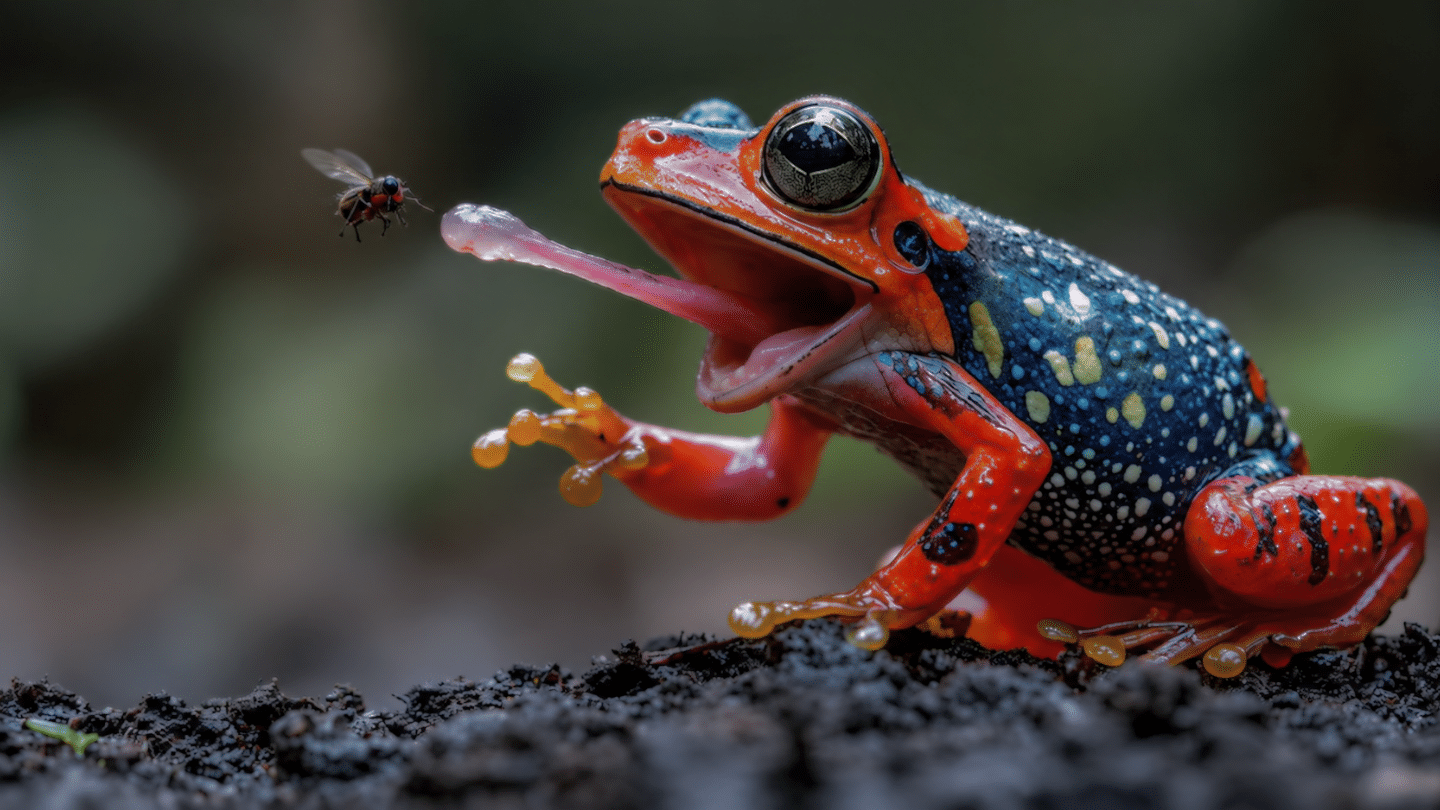
Frogs use their long, sticky tongues to grab food fast. They usually eat food that moves, which helps them spot prey in grass, water, mud, or near lights at night.
What Frogs Eat Across Different Species?
Not all frogs eat the same foods. A frog’s diet can change based on its species, habitat, and size. Some frogs mainly eat insects, while others hunt larger prey or even feed on fruit.
| Frog Species | Primary Diet | Notable Diet Items |
|---|---|---|
| Common Green Frog | Insects | Flies, moths, beetles, and small worms |
| Bullfrog | Insects + larger prey | Small fish, snakes, mice, and other frogs |
| African Bullfrog | Carnivore | Rodents, reptiles, and large insects |
| Pacman Frog | Ambush carnivore | Mice, large insects, worms |
| African Dwarf Frog (aquatic) | Aquatic prey | Bloodworms, brine shrimp, and small invertebrates |
| Xenohyla truncata (Brazilian Treefrog) | Frugivore | Fruit, nectar (the only known frugivorous frog in the world) |
These differences make it important to research your specific frog species before creating a feeding plan.
What Do Frogs Eat in the Wild?
Wild frogs eat a wide range of foods depending on their size, habitat, and species. Most rely on insects and other small prey they can catch near ponds, wetlands, forests, and gardens.
- Flies: A common part of the diet for many frog species. They are easy to catch and found in almost every habitat.
- Mosquitoes: Frequently found near ponds and wetlands. Frogs help keep mosquito populations under control.
- Beetles: Hard-bodied insects that provide a good source of protein. Many frogs eat them whenever available.
- Crickets: One of the most common prey items in the wild. Their movement makes them easy for frogs to spot.
- Grasshoppers: Larger frogs often target grasshoppers. They provide a more substantial meal than smaller insects.
- Worms: Found in moist soil and leaf litter. Worms are a nutritious food source for many species.
- Snails: Some frogs eat small snails when they can fit them into their mouths. Soft-bodied species are easier to consume.
- Slugs: A common food item in damp environments. Their slow movement makes them easy prey.
- Small Fish: Usually eaten by larger frogs living near water. Young and slow-moving fish are most vulnerable.
- Small Rodents: Large predatory frogs may eat mice or similar animals when given the opportunity.
- Other Frogs: Some larger species will eat smaller frogs. This usually happens when an easy meal is available.
- Small Reptiles: Large frogs occasionally prey on young lizards and other small reptiles in the area.
How Do Frogs Hunt and Catch Their Food?

Frogs are ambush predators, so they do not chase food for long. They sit still, watch closely, and wait for a moving insect or small animal to come within reach.
Their eyes sit high on the head, giving them a wide view so they can spot movement from many angles.
A frog’s tongue is attached near the front of its mouth, not the back. When prey moves, the tongue shoots out fast with sticky saliva and pulls the food in.
This motion-based feeding is why pet frogs usually need live prey.
Larger frogs, such as bullfrogs, may also lunge forward and grab prey with their mouth when the target is too big for a quick tongue strike.
What Do Tadpoles Eat?
Tadpoles and adult frogs have very different diets. Before becoming frog hunters, tadpoles spend most of their early life feeding on plant-based foods and tiny organisms in the water.
- Algae: The main food source for many tadpoles living in ponds and slow-moving water.
- Aquatic Plant Matter and Decaying Vegetation: Soft plant material helps support steady growth during early development.
- Microscopic Organisms and Water-Borne Particles: Tiny living organisms and organic particles are often filtered from the water.
- Small Invertebrates: Older, larger tadpoles may begin eating small aquatic invertebrates.
- Unfertilized Eggs: Some species, including Oophaga dart frogs, feed on nutrient-rich eggs provided by the mother.
- Other Tadpoles: Cannibalism can occur during food shortages or overcrowding, but it is not a preferred food source.
Once metamorphosis is complete, the tadpole’s gut shortens and changes to support a carnivorous diet.
Do Frogs Eat Fish?

Yes, some frogs do eat fish, but it depends on the species and size.
Larger frogs like bullfrogs and leopard frogs are the most likely to catch fish, and even then, it is usually a small, easy target.
The fish has to fit fully in the frog’s mouth, so larger pond fish are generally safe. From what I have seen, this happens more in shallow areas where frogs can stay still and strike quickly.
Small or slow fish are at higher risk, especially in crowded ponds.
Thick vegetation and low-light conditions also make it easier for frogs to hunt. Deeper ponds with good cover give fish a better chance to stay out of reach.
Do Frogs Eat Other Frogs and Tadpoles?

Yes, frogs can eat other frogs and even tadpoles, but this behavior is not random. It usually happens when a larger frog encounters smaller prey that can be swallowed easily.
Research published in PMC found that about one in five recorded frog diet records included other frogs as prey.
Larger species and some invasive frog populations were the most likely to show this behavior. In many cases, frogs simply take advantage of an easy food source when the opportunity appears.
Tadpole cannibalism follows a similar pattern. Research from the University of Saskatchewan found that tadpoles usually eat other tadpoles only when food is limited and competition is high.
When algae, plant material, or other food sources are available, they actively avoid cannibalism and instead feed on those options.
What to Feed a Pet Frog?
Knowing what wild frogs eat is one thing, but feeding a pet frog properly takes a little more care. Live prey and well-fed feeder insects are key parts of a healthy frog diet.
| Prey Item | Best For | Feeding Notes |
|---|---|---|
| Crickets | Most species | Gut-load before feeding; staple food |
| Mealworms | Medium frogs | Feed in moderation; high chitin content |
| Waxworms | Any size | Treats only; high fat, can cause obesity |
| Dubia Roaches | Most species | Easy to breed at home; nutritious |
| Black Soldier Fly Larvae | Most species | Higher calcium than most insects |
| Bloodworms / Brine Shrimp | Aquatic frogs | Main diet for African dwarf frogs |
| Pinky Mice | Large frogs only | Once or twice monthly, Pacman frog, African bullfrog |
| Fruit Flies | Small/dart frogs | Can be cultured at home |
Match prey size to the width of the frog’s head to reduce the risk of impaction. Oversized prey can lead to health issues, so consult an amphibian veterinarian for species-specific guidance.
How Does Diet Make Some Frogs Different?

One of the most unusual frogs in the world is Xenohyla truncata, a treefrog found in coastal Brazil. Unlike almost every other adult frog, it regularly eats fruit from bromeliad plants.
Even more interesting, the seeds pass through its digestive system intact and can grow into new plants.
Scientists consider this the only known example of seed dispersal by an amphibian, making this small frog a rare part of the local plant ecosystem.
Poison dart frogs offer another surprising example of how diet shapes behavior. In the wild, these frogs build up toxins by eating certain beetles, ants, and mites.
Frogs raised in captivity on a standard insect diet do not develop the same toxins.
This shows that their chemical defenses come from what they eat rather than being naturally produced by the frogs themselves.
Conclusion
Frogs are more flexible eaters than most people realize. They start as algae-eating tadpoles, then grow into hunters that eat insects, fish, and other small animals.
Some species even defy expectations, like the Brazilian tree frog, which includes fruit in its diet.
These habits come from millions of years of adapting to different environments.
Whether you care for a pet frog, maintain a pond, or simply observe local wildlife, understanding what frogs eat offers a fresh perspective.
I hope this guide answered your questions and shared a few surprises along the way. If you have seen frogs feeding or have kept them as pets, share your experience in the comments below.
Frequently Asked Questions
What Do Small Frogs Eat?
Small frogs usually feed on tiny prey such as fruit flies, gnats, termites, and other small insects that fit easily into their mouths.
What Does a Frog Eat in Water?
Aquatic frogs commonly eat bloodworms, brine shrimp, insect larvae, and other small creatures living in the water around them.
Will Frogs Eat Their Own Tadpoles?
Some frogs may eat tadpoles when food is limited or when smaller tadpoles are easy prey. This behavior is not common in every species.
Can Frogs Hear Human Voices?
Yes, frogs can detect sounds and vibrations around them. Their hearing helps them communicate, avoid danger, and locate potential mates.