


Choosing a bird for the first time can feel a little confusing. Some birds are quiet and easy to care for, while others need more time, space, and attention.
I know how important it is to pick a bird that fits your home and daily routine.
I’ll help you find the best pet birds for beginners by covering friendly breeds, care needs, noise levels, and personality traits.
You’ll also learn what to expect before bringing a bird home, so you can make a smart and confident choice that works well for you and your family.
How to Choose the Right Pet Bird?
Choosing the right bird depends on your space, budget, and daily routine. I always suggest considering how much time you can spend with your bird each day, as some birds need more attention than others.
Consider noise levels, cage size, cleaning needs, and the bird’s lifespan.
Smaller birds like budgies and finches are often easier for beginners, while larger parrots may need more care and training.
It also helps to learn about each bird’s personality before bringing one home. Some birds enjoy human interaction, while others like quieter time.
When you match a bird to your lifestyle, it becomes much easier to build a happy and healthy bond with your new pet.
Things to Know Before Getting a Pet Bird
Pet birds need proper care, attention, and a suitable environment to stay healthy and happy. Understanding their daily needs can help beginners become responsible and prepared bird owners.
- Birds need daily attention: Many birds enjoy social time and can become lonely without regular interaction.
- Some birds are noisy: Certain bird species chirp, whistle, or call loudly during the day.
- Cage size is important: Birds need enough room to move, stretch, and play comfortably.
- Birds can live many years: Some pet birds may live for 10 to 30 years with proper care.
- Cleaning is part of daily care: Food bowls, cages, and perches need regular cleaning to prevent illness.
- Healthy food is important: Birds need seeds, pellets, and vegetables for a balanced diet.
- Birds need mental activity: Toys and playtime help prevent boredom and stress.
- Vet care may be needed: Regular health checks help keep your bird healthy over time.
- Feathers and seed mess happen: Birds can scatter food, feathers, and bedding around their cage
Best Pet Birds for Beginners
Some birds are easier to care for, friendlier with people, and better for first-time owners. These beginner-friendly birds are known for their simple care needs and social personalities.
1. Budgie

Budgies are one of the most popular pet birds for beginners because they are small, friendly, and easy to care for.
They enjoy human interaction and can even learn simple words and sounds with training. Budgies do well in smaller homes and do not need as much space as larger parrots.
They also enjoy toys, mirrors, and short play sessions outside the cage.
With proper care, they can become very social and loving pets for both adults and children.
- Lifestyle: Friendly, social, playful, and beginner-friendly birds that enjoy daily interaction.
- Space: Suitable for apartments and small homes, but they still need a spacious cage and some out-of-cage flying time.
- Care Requirements: Need fresh food and water daily, regular cage cleaning, toys for mental stimulation, and social attention to stay happy and healthy.
- Lifespan: Around 7 to 15 years with proper care.
2. Cockatiel

Cockatiels are calm and gentle birds that bond well with their owners. They enjoy sitting on shoulders, whistling, and spending time with people.
These birds are known for their soft nature, which makes them a good choice for families and beginners.
Cockatiels are also easier to train compared to many larger bird species.
They need a clean cage, healthy food, and daily attention to stay happy. Their friendly personality makes them one of the best starter birds for new pet owners.
- Lifestyle: Friendly, social, playful, and beginner-friendly birds that enjoy daily interaction.
- Space: Suitable for apartments and small homes, but they still need a spacious cage and some out-of-cage flying time.
- Care Requirements: Need fresh food and water daily, regular cage cleaning, toys for mental stimulation, and social attention to stay happy and healthy.
- Lifespan: Around 10 to 20 years with proper care.
3. Canary

Canaries are great for people who want a quieter and lower-maintenance bird. They are known for their beautiful singing and bright colors.
Unlike parrots, canaries do not need constant handling or training, which makes them easier for busy owners.
These birds enjoy flying around their cage and prefer a peaceful space.
A healthy diet, clean water, and enough room to move are important for their care. Canaries are often a good choice for people living in apartments or smaller homes.
- Lifestyle: Friendly, social, playful, and beginner-friendly birds that enjoy daily interaction.
- Space: Suitable for apartments and small homes, but they still need a spacious cage and some out-of-cage flying time.
- Care Requirements: Need fresh food and water daily, regular cage cleaning, toys for mental stimulation, and social attention to stay happy and healthy.
- Lifespan: Around 10 to 15 years with proper care.
4. Finch
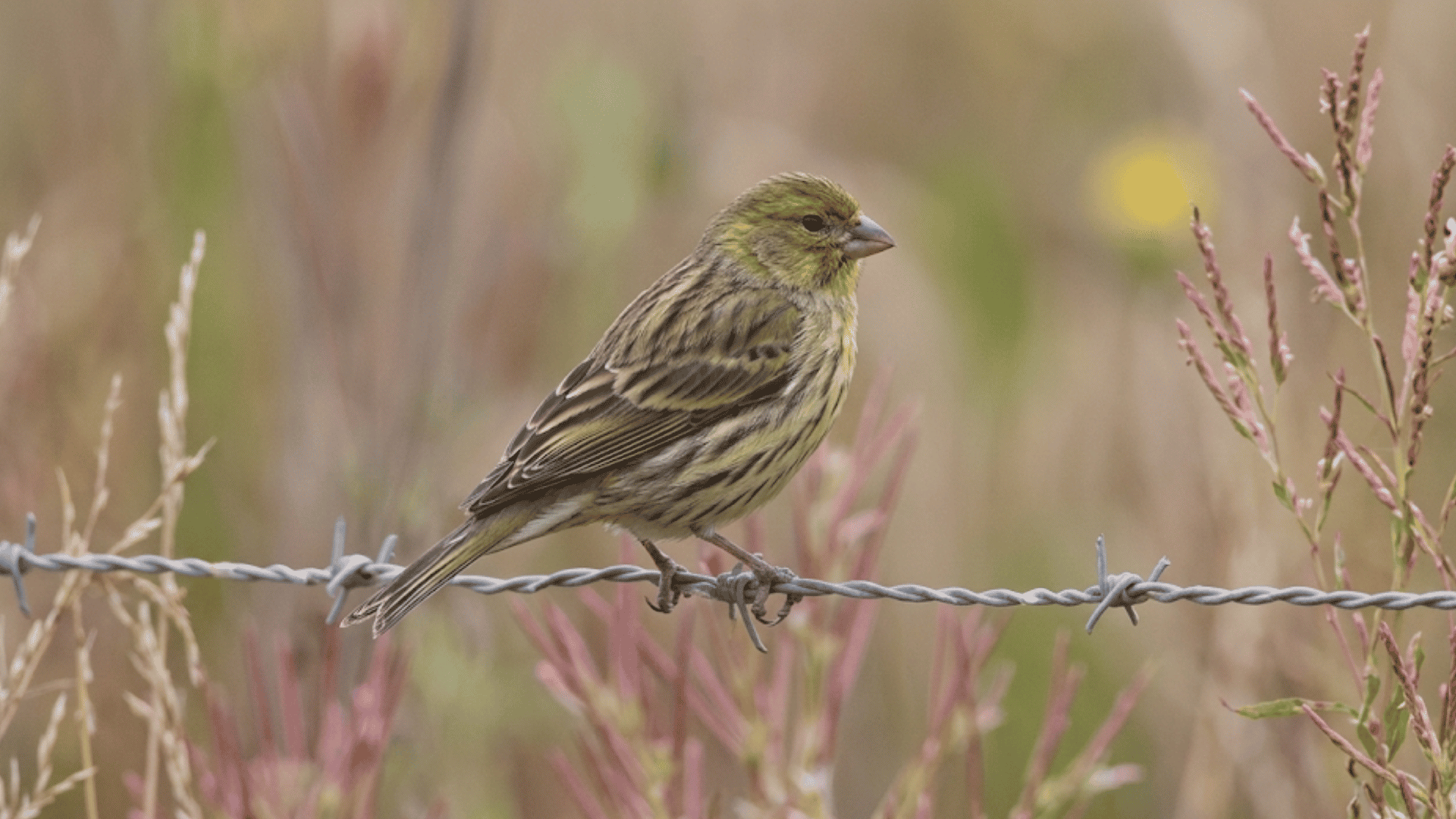
Finches are small birds that are active, social, and simple to care for. They are happiest when kept in pairs or small groups because they enjoy the company of other finches.
These birds are fun to watch as they fly, chirp, and interact throughout the day. Finches do not usually enjoy handling, so they are better suited for owners who prefer watching rather than cuddling.
They need a roomy cage with perches and fresh food every day. Their easy care makes them ideal for beginners.
- Lifestyle: Friendly, social, playful, and beginner-friendly birds that enjoy daily interaction.
- Space: Suitable for apartments and small homes, but they still need a spacious cage and some out-of-cage flying time.
- Care Requirements: Need fresh food and water daily, regular cage cleaning, toys for mental stimulation, and social attention to stay happy and healthy.
- Lifespan: Around 5 to 10 years with proper care.
5. Lovebird

Lovebirds are playful and energetic birds with strong personalities. They enjoy attention and can form close bonds with their owners when handled regularly.
Even though they are small, they are full of energy and enjoy climbing, playing, and exploring toys. Lovebirds need social time every day to stay active and happy.
They can become noisy at times, but many owners enjoy their fun and curious behavior.
With patience and care, lovebirds can become friendly companions for first-time bird owners.
- Lifestyle: Friendly, social, playful, and beginner-friendly birds that enjoy daily interaction.
- Space: Suitable for apartments and small homes, but they still need a spacious cage and some out-of-cage flying time.
- Care Requirements: Need fresh food and water daily, regular cage cleaning, toys for mental stimulation, and social attention to stay happy and healthy.
- Lifespan: Around 10 to 15 years with proper care.
6. Parrotlet

Parrotlets are tiny birds with bold and confident personalities. They are smart, curious, and enjoy spending time with their owners.
These birds often act like much larger parrots, even though they are very small in size. Parrotlets can learn tricks and enjoy toys that keep them busy and active.
They do best with regular handling and social time every day.
Since they need less space than larger birds, they are a good option for beginners who want a playful and interactive pet bird.
- Lifestyle: Friendly, social, playful, and beginner-friendly birds that enjoy daily interaction.
- Space: Suitable for apartments and small homes, but they still need a spacious cage and some out-of-cage flying time.
- Care Requirements: Need fresh food and water daily, regular cage cleaning, toys for mental stimulation, and social attention to stay happy and healthy.
- Lifespan: Around 15 to 20 years with proper care.
7. Dove

Doves are calm birds that are easy to handle and care for. They are quiet compared to many parrots and enjoy peaceful surroundings.
Doves usually bond well with gentle owners and can become comfortable with regular interaction.
They do not need much training and are often less demanding than other pet birds.
A large cage with room to fly and a healthy diet will help them stay healthy. Their relaxed personality makes them a great choice for beginners looking for a calm pet bird.
- Lifestyle: Friendly, social, playful, and beginner-friendly birds that enjoy daily interaction.
- Space: Suitable for apartments and small homes, but they still need a spacious cage and some out-of-cage flying time.
- Care Requirements: Need fresh food and water daily, regular cage cleaning, toys for mental stimulation, and social attention to stay happy and healthy.
- Lifespan: Around 10 to 15 years with proper care.
8. Green-Cheeked Conure

Green-cheek conures are friendly birds known for their playful and loving behavior. They enjoy climbing, playing with toys, and spending time with people.
These birds are smaller and usually quieter than many other conure species, which makes them easier for beginners.
Green-cheek conures need daily social time and mental activity to prevent boredom. They can learn simple tricks and enjoy interactive games with their owners.
Their fun personality and strong bond with humans make them popular among first-time bird owners.
- Lifestyle: Friendly, social, playful, and beginner-friendly birds that enjoy daily interaction.
- Space: Suitable for apartments and small homes, but they still need a spacious cage and some out-of-cage flying time.
- Care Requirements: Need fresh food and water daily, regular cage cleaning, toys for mental stimulation, and social attention to stay happy and healthy.
- Lifespan: Around 10 to 30 years with proper care.
9. Quaker Parrot

Quaker parrots are smart birds that enjoy learning and social interaction. They are known for their talking ability and playful behavior.
These birds enjoy staying active and need toys and activities to keep their minds busy. Quaker parrots can form strong bonds with their owners and enjoy daily interaction.
They also adapt well to indoor living when given enough attention and care.
Beginners who want a social and intelligent bird often enjoy having a Quaker parrot as a pet companion.
- Lifestyle: Friendly, social, playful, and beginner-friendly birds that enjoy daily interaction.
- Space: Suitable for apartments and small homes, but they still need a spacious cage and some out-of-cage flying time.
- Care Requirements: Need fresh food and water daily, regular cage cleaning, toys for mental stimulation, and social attention to stay happy and healthy.
- Lifespan: Around 20 to 30 years with proper care.
10. Pionus Parrot

Pionus parrots are gentle birds with calm personalities and quieter voices compared to many larger parrots.
They are less demanding than some bird species, which makes them easier for beginners to manage.
Pionus parrots enjoy attention but are also comfortable spending some quiet time alone. They usually bond closely with their owners and enjoy a steady routine.
These birds need good food, toys, and a clean cage. Their calm nature suits first-time owners.
- Lifestyle: Friendly, social, playful, and beginner-friendly birds that enjoy daily interaction.
- Space: Suitable for apartments and small homes, but they still need a spacious cage and some out-of-cage flying time.
- Care Requirements: Need fresh food and water daily, regular cage cleaning, toys for mental stimulation, and social attention to stay happy and healthy.
- Lifespan: Around 25 to 40 years with proper care.
11. Bourke’s Parakeet

Bourke’s parakeets are peaceful birds with soft colors and quiet personalities. They are less noisy than many parrots, which makes them suitable for homes that need a calmer pet.
These birds are active during the morning and evening and enjoy gentle interaction with people.
Bourke’s parakeets need a roomy cage, healthy food, and a calm environment to feel comfortable.
They are usually easygoing birds that can fit well into many beginner households without creating too much stress or noise.
- Lifestyle: Calm, friendly, and beginner-friendly birds that enjoy gentle daily interaction.
- Space: Suitable for apartments and small homes, but they still need a spacious cage and safe flying time outside the cage.
- Care Requirements: Need fresh food and water daily, regular cage cleaning, toys for activity, and gentle social time to stay healthy and comfortable.
- Lifespan: Around 10 to 15 years with proper care.
Best Pet Bird Species at a Glance
Different bird species vary in size, noise level, talking ability, and care needs. Comparing them helps beginners choose the best bird for their lifestyle and home.
| Bird Species | Size | Noise Level | Talking Ability | Best For |
|---|---|---|---|---|
| Budgie | Small | Low | Good | Beginners & families |
| Cockatiel | Small to Medium | Moderate | Limited | First-time bird owners |
| Canary | Small | Low | None | Quiet homes & busy owners |
| Finch | Small | Low | None | Beginners who enjoy watching birds |
| Lovebird | Small | Moderate | Low | Owners who can give daily attention |
| Parrotlet | Very Small | Moderate | Limited | Small homes & apartments |
| Dove | Medium | Very Low | None | Owners looking for low-maintenance pets |
| Green-Cheek Conure | Small to Medium | Moderate | Some | Interactive pet bird lovers |
| Quaker Parrot | Medium | Moderate to High | Excellent | Owners wanting a talking bird |
| Pionus Parrot | Medium | Low to Moderate | Moderate | Beginners wanting a quieter parrot |
| Bourke’s Parakeet | Small | Very Low | None | Calm households & beginners |
Simple Pet Bird Care Tips for Beginners
Taking care of a pet bird becomes easier when you follow a simple daily routine. Small habits like cleaning, feeding, and social time can help your bird stay healthy and comfortable.
- Clean the cage often: Remove leftover food, feathers, and waste every day to keep the cage fresh. A clean space helps prevent germs and keeps your bird healthy.
- Give fresh food and water daily: Birds need clean water and nutritious food to stay active. Replace old food quickly so it does not spoil inside the cage.
- Spend time with your bird: Most pet birds enjoy attention and social interaction from their owners. Daily bonding can help your bird feel safe and less stressed.
- Add toys and perches: Birds need mental activity to prevent boredom during the day. Toys, swings, and natural perches help keep them active and entertained.
- Keep the cage in a safe spot: Place the cage away from strong winds, direct heat, and loud noises. A calm area helps birds feel more relaxed and comfortable.
- Watch for health changes: Changes in eating, sleeping, or feather condition may signal health problems. Early care from a bird vet can help prevent serious issues.
What Daily Routine Do Pet Birds Need?
Pet birds need a consistent daily routine to stay healthy, active, and emotionally comfortable. Regular feeding, playtime, cleaning, and proper sleep help support better behavior and overall well-being.
I’ve noticed that birds often feel more comfortable when feeding and playtime happen around the same time each day.
Most birds begin the day with fresh food and clean water, followed by time to fly, climb, or interact with their owners. Daily social attention helps birds feel safe, reduces boredom, and builds trust over time.
Birds also need a clean cage with fresh liners, washed food bowls, and safe toys for mental stimulation.
In the evening, a quiet, calm environment is important because many pet birds need about 10–12 hours of sleep each night.
Keeping a steady routine can help pet birds stay happy, energetic, and comfortable in their environment.
The sample timetable below shows how a typical day may look for a pet bird and can be adjusted based on the bird’s species and needs.
| Time | Activity | What to Do |
| 7:00–8:00 AM | Morning Feeding | Provide fresh food and clean water |
| 8:00–10:00 AM | Exercise Time | Allow flying, climbing, or supervised play |
| 10:00–11:00 AM | Social Interaction | Spend time talking to and interacting with your bird |
| 12:00–1:00 PM | Mental Stimulation | Offer toys, puzzles, and enrichment activities |
| 2:00–3:00 PM | Cage Cleaning | Replace cage liners and clean food and water bowls |
| 4:00–5:00 PM | Quiet Rest Time | Give your bird time to relax in a calm space |
| 6:00–7:00 PM | Evening Feeding | Refresh food and water if needed |
| 7:00–8:00 PM | Family Interaction | Enjoy supervised out-of-cage time and bonding |
| 8:00–9:00 PM | Wind Down | Reduce noise and activity around the cage |
| 9:00 PM–7:00 AM | Sleep Time | Ensure 10 to 12 hours of uninterrupted sleep |
Common Problems New Bird Owners Face
Understanding common problems early can help you create a safer and happier home for your bird.
- Loud noise and chirping: Some birds can become noisy in the morning or when they want attention. New owners may feel surprised by how often birds communicate during the day.
- Mess around the cage: Birds often scatter seeds, feathers, and food outside the cage while eating. Daily cleaning becomes important to keep the area fresh and comfortable.
- Biting during handling: Some birds may bite when they feel scared, nervous, or uncomfortable with people. Gentle handling and patience can help build trust over time.
- Poor diet choices: Many beginners feed only seeds, which may not provide balanced nutrition for birds. Fresh foods, pellets, and vegetables are also important for good health.
- Lack of social interaction: Birds that do not get enough attention may become bored, lonely, or stressed. Daily playtime and interaction help support better behavior and bonding.
- Small cage problems: A cage that is too small can limit movement and make birds unhappy. Birds need enough room to stretch, climb, and play each day comfortably.
Conclusion
Choosing the right bird can make your first experience with a pet much easier and more enjoyable. Some birds need more attention and care, while others are calmer and better for beginners.
I always think it helps to learn about a bird’s personality, diet, noise level, and daily needs before bringing one home.
With the right setup and regular care, pet birds can become friendly and long-lasting companions.
From playful budgies to quiet canaries, there are many beginner-friendly birds to choose from. Take your time, compare your options, and pick a bird that matches your lifestyle and comfort level.
Frequently Asked Questions
What Surprises Most First-Time Bird Owners?
Many new owners are surprised by the daily noise levels from cleaning and the attention birds need to stay healthy and social.
What Is the 3 3 3 Rule for Birds?
The 3-3-3 rule means three days to adjust, three weeks to settle, and three months to feel comfortable.
What to Buy Before Bringing a Bird Home?
You should buy a cage, food bowls, perches, toys, healthy food, cage liners, and a safe space before bringing home a bird.
Can a Bird Be Left Alone for 3 Days?
Leaving a bird alone for three days is unsafe because birds need fresh food, water, cleaning, and daily social interaction.